Gum Pocket Reduction Surgery Endicott NY
Periodontal Flap Surgery In The Twin Tiers Area
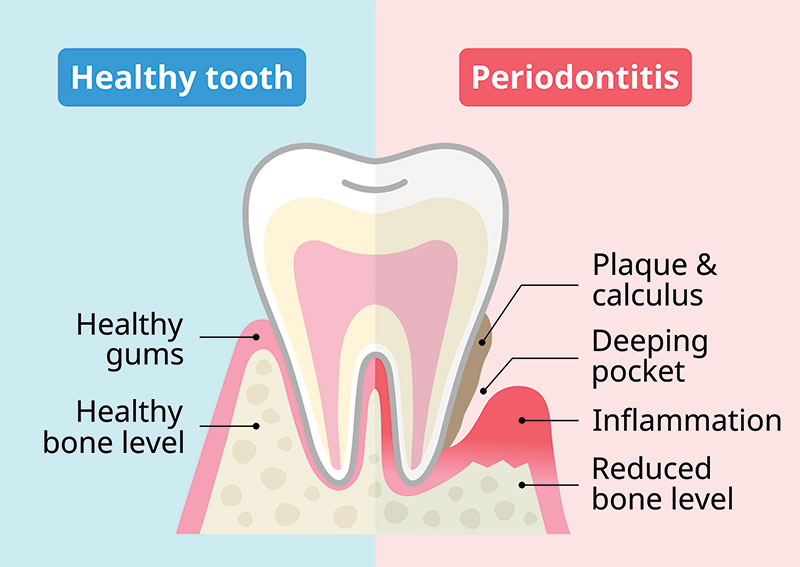
Pocket reduction surgery, also known as periodontal flap surgery, is a treatment used when gum disease has progressed to the point where deep pockets have formed between the teeth and gums. These pockets create an environment where harmful bacteria thrive and become difficult or impossible to fully clean with routine dental care or even deep cleaning alone. When left untreated, these bacteria can continue to destroy the bone and tissue that support your teeth. This advanced treatment is designed to restore gum health and prevent further progression of periodontal disease.
During pocket reduction surgery, a periodontist carefully lifts the gum tissue to gain access to the infected areas beneath the gums. This allows for a thorough removal of bacteria and hardened plaque deposits while also reducing the depth of the periodontal pockets.
Key Benefits of Pocket Reduction Surgery
- Reduces Deep Periodontal Pockets: By decreasing the space between the teeth and gums, pocket reduction helps limit the areas where harmful bacteria can accumulate.
- Stops the Progression of Gum Disease: Removing infection from deep beneath the gums helps halt the destructive process that leads to bone loss and tooth instability.
- Protects the Supporting Bone Structure: Eliminating bacteria and inflammation helps preserve the bone that anchors your teeth in place.
- Improves Gum Health and Tissue Attachment: The gums are repositioned to fit more closely around the teeth, promoting healthier tissue attachment.
- Makes Daily Oral Hygiene More Effective: Shallower pockets make it easier for patients to clean their teeth and gums properly at home.
- Helps Prevent Tooth Loss: By stabilizing the gums and supporting structures, this procedure significantly improves the long-term prognosis of affected teeth.
The Evaluation Stage
Your periodontal evaluation helps determine whether pocket reduction surgery is the most appropriate treatment for your condition. During this appointment, we will:
- Measure periodontal pocket depths around each tooth
- Evaluate gum inflammation, bleeding, and recession
- Review your dental and medical history
- Examine existing restorations or implants
- Evaluate bone levels using dental radiographs
If pockets remain deep after non-surgical treatments such as scaling and root planing, surgical treatment may be recommended to fully eliminate infection and restore periodontal stability.
The Treatment Process
Pocket reduction surgery is typically performed under local anesthesia to ensure your comfort. The procedure generally includes the following steps:
- Numbing the treatment area with local anesthesia.
- Gently lifting the gum tissue to access the root surfaces and underlying bone.
- Removing plaque, calculus, and infected tissue from deep periodontal pockets.
- Smoothing the root surfaces to discourage bacterial reattachment.
- In some cases, reshaping bone or placing regenerative materials may be recommended to help restore lost support
- Repositioning the gum tissue around the teeth and securing it with small sutures.
The procedure allows for a level of cleaning and correction that cannot be achieved with non-surgical treatment alone.