Periodontal Teeth Cleaning Endicott NY
Periodontal Dental Cleanings In The Twin Tiers Area
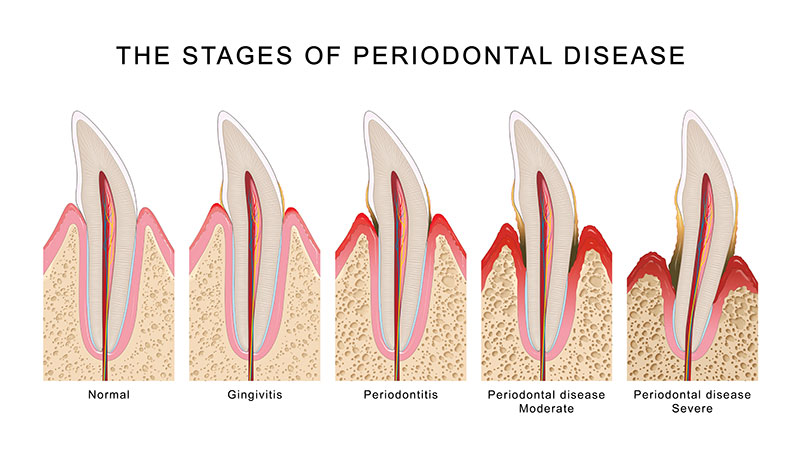
At our periodontal office, our focus is not simply cleaning teeth — it is stopping the progression of periodontal disease and preserving the bone and structures that support your teeth. Gum disease is a chronic inflammatory condition. If left untreated, it gradually destroys the attachment between your teeth and the surrounding bone. The goal of periodontal cleaning or deep cleaning (scaling and root planing) is to interrupt that destructive cycle.
Unlike routine six-month cleanings performed in a general dental setting, periodontal maintenance and deep cleaning are medically necessary treatments for patients with active or previous gum disease. We target bacteria deep beneath the gumline, evaluate pocket depths, assess bone levels, and tailor treatment to stabilize the condition long-term. When managed properly, periodontal disease can be controlled — and progression can be stopped.
Key Benefits of periodontal Teeth cleaning
- Focused Treatment of Deep Periodontal Pockets: As specialists, we are trained to treat pockets that extend well below the gumline, where standard cleanings cannot reach. This reduces bacterial load at the source of bone destruction.
- Precise Periodontal Measurements and Monitoring: We routinely measure pocket depths, gum recession, attachment levels, and bleeding points to track subtle changes over time and intervene early.
- Advanced Instrumentation and Techniques: Periodontal therapy often involves specialized ultrasonic instruments, micro-tipped scalers, and sometimes localized antimicrobial therapy designed specifically for periodontal infections.
- Bone Preservation: Our goal extends beyond clean teeth — we aim to preserve supporting bone and prevent future tooth mobility or loss.
- Customized Risk Assessment: We evaluate systemic risk factors such as diabetes, smoking, genetics, and inflammatory conditions that influence disease progression and adjust care accordingly.
- Integration with Surgical Planning if Needed: If deep cleaning alone is not sufficient, we can seamlessly transition to regenerative or surgical therapies to further stabilize your periodontal health.
The Evaluation Stage
Your periodontal evaluation is comprehensive and diagnostic in nature. It typically includes:
- Full periodontal charting (measuring pocket depths around every tooth)
- Evaluation of gum recession and attachment loss
- Assessment of bleeding and inflammation
- Review of dental and medical history
- Examination of existing restorations or implants
- Radiographic evaluation of bone levels
Based on these findings, we determine whether routine prophylaxis, scaling and root planing, or periodontal maintenance is appropriate.
Dental Cleaning Process
If deep cleaning (scaling and root planing) is recommended, treatment is typically performed in sections of the mouth to ensure comfort.
- Local anesthesia is administered to numb the area.
- Scaling removes plaque and hardened calculus from above and below the gumline.
- Root planing smooths the root surfaces to discourage bacterial reattachment.
- In some cases, localized antibiotics may be placed in deeper pockets.
For patients in periodontal maintenance, visits focus on disrupting bacterial colonies before they trigger further bone loss.
Recovery and Aftercare
Most patients experience mild tenderness or sensitivity for a few days following deep cleaning. This is normal and temporary.
Aftercare recommendations include:
- Gentle brushing with a soft-bristled toothbrush
- Flossing carefully but consistently
- Using any prescribed antimicrobial rinse
- Avoiding very hard or crunchy foods for 24–48 hours
- Taking over-the-counter anti-inflammatory medication if needed
Long-term success depends on:
- Excellent daily oral hygiene
- Consistent periodontal maintenance visits (often every 3–4 months)
- Managing systemic health conditions
With proper treatment and ongoing maintenance, periodontal disease can be stabilized. My goal as a periodontist is not only to treat infection — but to preserve your natural teeth, protect your bone structure, and maintain your oral health for years to come.